
7 Proven Reasons Custom Website Development Beats
 Ahmad Zee8 min read
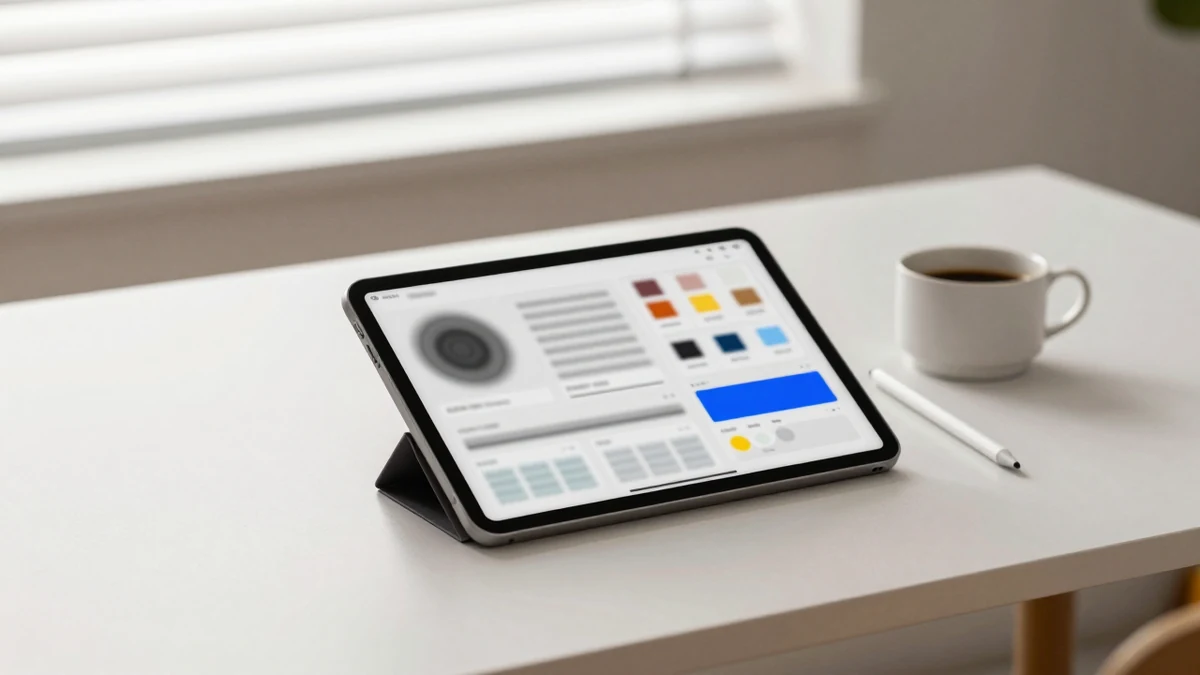
Custom Website Development: In an era of drag-and-drop website builders and one-click templates, it is tempting to believe that any business can build a professional website without technical expertise. But as companies grow and their digital needs become more complex, the limitations of off-the-shelf solutions become painfully clear. Custom website development offers a fundamentally different approach, one where every line of code, every feature, and every interaction is purpose-built to serve the business’s unique goals and audience. This article explains why custom development matters, what the process involves, and how businesses can determine whether it is the right investment for their current stage of growth.
The Limitations of Template-Based Websites
Template-based website builders have their place. They are affordable, accessible, and fast, making them perfect for personal blogs, hobby sites, or businesses that are just testing an idea. But they come with inherent constraints that become significant liabilities as a business scales and its digital requirements evolve.
Design Constraints
Templates impose a rigid structure that limits how content can be organized, how pages can be laid out, and how the brand can be expressed visually. Even with extensive customization options, a template-based site will always carry the DNA of its original design. In competitive markets, this sameness is a real disadvantage. Visitors may subconsciously associate the familiar template with a lack of professionalism or investment, especially when competitors have invested in distinctive, custom-built experiences that stand out.
Functional Limitations
Need a custom quoting tool? A multi-step booking system? An interactive product configurator? A membership portal with role-based access controls? Template platforms struggle, or fail entirely, to accommodate complex functionality like this. Businesses end up either compromising their requirements and accepting a lesser user experience or cobbling together plugins and workarounds that create maintenance nightmares and security vulnerabilities.
Performance and SEO Penalties
Templates are built to be versatile, which means they include code for dozens of features the business may never actually use. This bloated codebase slows page load times and creates measurable SEO disadvantages. Search engines like Google explicitly factor page speed and user experience metrics into their ranking algorithms, meaning a slow, clunky template site will rank lower than a lean, optimized custom build that delivers the same content faster and more efficiently.
Security Vulnerabilities
Popular template platforms are frequent targets for hackers because a single exploit can compromise millions of sites running the same underlying code. A custom approach reduces this attack surface dramatically by eliminating unnecessary code, implementing security best practices from the ground up, and avoiding the widely-known vulnerabilities that plague mass-market platforms. For businesses handling sensitive customer data, this security advantage alone can justify the investment.
What a Custom-Built Approach Delivers
Custom development flips the script on every limitation described above. Instead of adapting the business to fit the technology, custom development adapts the technology to fit the business perfectly.
Tailored User Experience
Every interaction on a custom-built site is designed specifically for the target audience. Navigation patterns, content layouts, form designs, and conversion flows are all informed by user research and business strategy rather than by the constraints of a pre-built template. The result is a website that feels effortless to use and naturally guides visitors toward the actions that matter most to the business, whether that is filling out a contact form, requesting a quote, or making a purchase.
Unique Brand Expression
A custom website is a blank canvas that gives the design team complete creative freedom. Designers can express the brand’s personality through custom illustrations, bespoke typography, original photography, distinctive color palettes, and signature interactions that are impossible to achieve with templates. This level of visual uniqueness creates a memorable brand experience that competitors simply cannot replicate, no matter how much they customize their own template-based sites.
Scalable Architecture
Custom websites are built on architectures specifically designed to grow with the business over time. Need to add a new product line? Launch in a new geographic market? Integrate with a new CRM or ERP system? A well-architected custom site accommodates these changes gracefully without the technical debt and performance degradation that template sites inevitably accumulate as they are stretched beyond their original capabilities.
Superior Performance
Custom Website Development: Because custom sites include only the code and functionality the business actually needs, they load faster, respond more quickly, and provide a smoother browsing experience than template alternatives loaded with unused features. This performance advantage translates directly into better search rankings, lower bounce rates, and higher conversion rates, all of which contribute to a stronger return on investment.
Agencies like Basefield Studio specialize in custom website development that balances creative ambition with technical rigor, producing sites that are both beautiful and built to perform under real-world conditions.
The Custom Development Process: What to Expect
Custom development follows a structured process that ensures every decision is intentional and every deliverable meets the highest standards of quality. Here is a typical project lifecycle that businesses can expect when working with a professional agency.
Requirements Gathering and Planning
Custom Website Development: The project begins with a thorough understanding of the business’s goals, audience, technical requirements, and success criteria. This phase produces a detailed project brief, functional specification, and technical architecture document that guide every subsequent decision the team makes throughout the engagement.
Design and Prototyping
Custom Website Development: Designers create wireframes, visual designs, and interactive prototypes that allow the client to experience the site before development begins. This iterative design process ensures alignment between the client’s vision and the design team’s execution, significantly reducing costly changes during the development phase when modifications are much more expensive to implement.
Agile Development
Custom Website Development: Development is typically conducted in iterative sprints, with regular demos that allow the client to see progress and provide feedback throughout the build. This agile approach ensures the project stays on track and that the final product reflects the client’s evolving understanding of their needs as they see the site taking shape.
Integration and Testing
Custom Website Development: Custom sites often integrate with third-party systems including CRMs, marketing automation platforms, payment gateways, inventory management systems, and more. Each integration is thoroughly tested to ensure reliable data flow and seamless user experiences. Comprehensive quality assurance covers cross-browser compatibility, responsive design, accessibility standards, performance benchmarks, and security protocols.
Deployment and Launch
Custom Website Development: Launch is managed carefully, with staging environments, deployment checklists, and rollback plans in place to minimize risk. Post-launch monitoring ensures the site performs as expected under real-world traffic conditions and catches any issues that testing may have missed.
Continuous Improvement
Custom Website Development: After launch, analytics data reveals how real users interact with the site. This data drives continuous improvements through A/B tests, UX refinements, content optimizations, and feature enhancements that maximize the site’s performance over time. The Basefield Studio services page details how this ongoing partnership works in practice and what clients can expect from the post-launch relationship.
When Custom Development Is the Right Choice
Custom Website Development: Not every business needs a fully custom website. But many businesses reach a point where custom development becomes the only viable path forward. Here are the signals that a business has outgrown template-based solutions and should consider investing in custom development:
- The current site cannot accommodate critical business functionality without unstable plugins or fragile workarounds that break with updates
- Page load times are hurting search rankings and user experience despite repeated optimization efforts
- The brand’s visual identity cannot be expressed adequately within template design constraints
- The business needs to integrate with enterprise systems like CRM, ERP, or marketing automation platforms that template sites do not support natively
- Security concerns are mounting as the business handles increasingly sensitive customer data
- Competitors have invested in custom sites that create a noticeable quality gap in the market
- The website is the primary revenue channel and justifies a premium investment in quality and performance
Choosing the Right Custom Development Partner
Custom Website Development: The success of a custom website development project depends heavily on the quality of the development partner selected. Here are the qualities that matter most when evaluating potential agencies:
- Full-Stack Capability: The agency should excel at both front-end and back-end development, with expertise in modern frameworks, CMS platforms, and API integrations that power complex functionality.
- Design Integration: The best custom development happens when design and development teams work together seamlessly as one unit. Agencies that separate these functions risk producing sites where the design vision is lost in translation during implementation.
- Proven Portfolio: Review the agency’s portfolio for evidence of complex, custom-built projects with measurable results and satisfied clients.
- Strong Communication: Custom development requires close collaboration throughout the project. The agency should be responsive, transparent, and proactive in its communication at every stage.
- Post-Launch Commitment: Custom sites require ongoing care to maintain security, performance, and relevance. Choose a partner that offers robust support, maintenance, and optimization services after launch.
For perspectives on web development best practices and emerging trends, the Basefield Studio blog publishes regular content for business leaders and technical decision-makers looking to make informed choices about their digital investments.
Invest in a Website Built Specifically for the Business
Custom website development is an investment in a digital asset that is built to the business’s exact specifications, optimized for its specific audience, and designed to evolve as the business grows. It is the difference between renting a generic space and building a custom headquarters. One serves a temporary need; the other serves a lasting vision that grows more valuable over time.
For businesses ready to explore what a custom-built website can achieve, Basefield Studio offers consultations that clarify requirements, outline possibilities, and establish a clear roadmap for success.
Keep reading

Brand & Strategy · 7 min read
Branding Services for a Stronger Identity
A strong business identity can make it easier for customers to recognize, remember, and trust a company. From a carefully designed logo to consistent.
 Ahmed Jamal · Aug 26, 2026

Brand & Strategy · 7 min read
Client-Centered Processes for Web Design Projects
A successful website project starts with understanding the business behind the website. Every company has different customers, goals, services, challenges.
 Micheal Akinleye · Aug 26, 2026

Brand & Strategy · 15 min read
DesignRush Verified: What It Means for Agencies
Businesses researching web design, development, SEO, or digital marketing agencies often come across the term DesignRush verified.
Micheal Akinleye · Aug 26, 2026