

Custom 3D Product Configurators: Transforming the Online
 Ahmad Zee8 min read
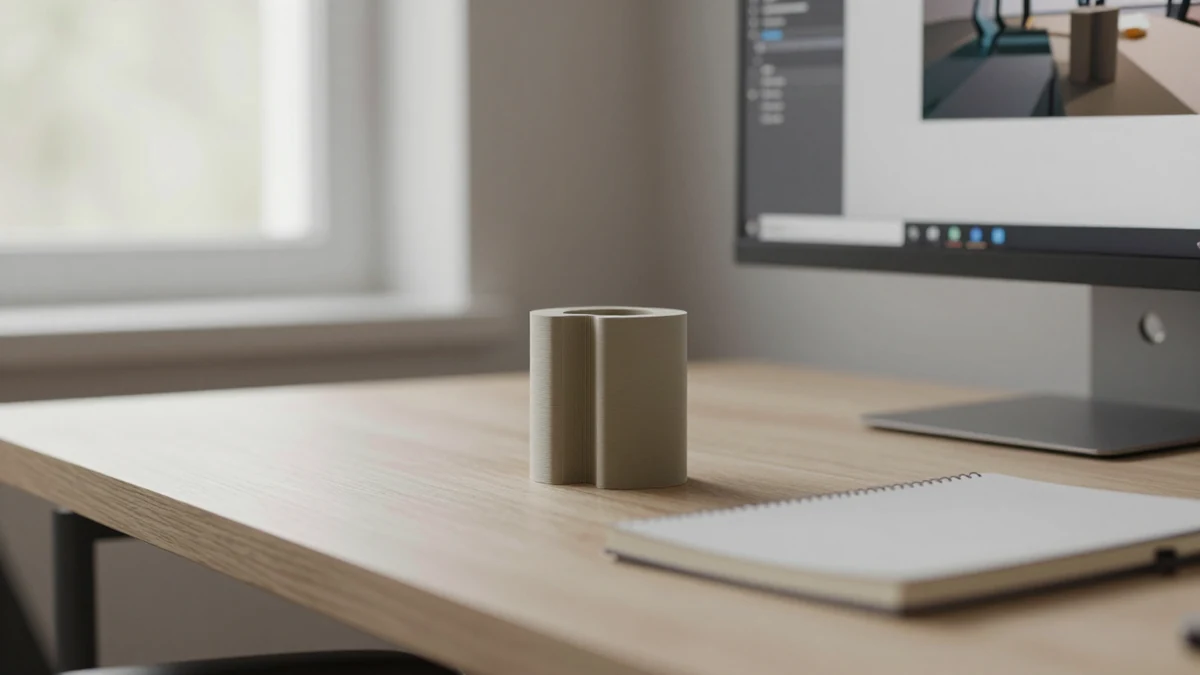
Custom 3D Product Configurators : The gap between online and in-store shopping has always been the inability to touch, feel, and interact with products before purchasing. Custom 3D product configurators are closing that gap in ways that were unimaginable just a few years ago. These interactive tools allow customers to visualize, customize, and explore products in three dimensions directly in their web browser—rotating, zooming, changing colors, selecting features, and seeing exactly what they are getting before they commit to a purchase.
Basefield Studio, a digital marketing agency and web development firm founded by Ahmed Jamal, builds custom 3D product configurators that help businesses across the United States elevate their online sales experience. The team at Basefield Studio combines cutting-edge 3D technology with user-centered design to create configurators that are visually stunning, intuitively easy to use, and proven to increase conversion rates and customer satisfaction.
What Are Custom 3D Product Configurators?
Custom 3D product configurators are interactive web applications that allow users to customize a product visually in real time. Unlike static product images or pre-set configuration dropdowns, a 3D configurator renders the product as a three-dimensional model that updates instantly as the user makes selections. Change the color of a sofa cushion, and the model reflects the change immediately. Add a custom engraving to a watch, and it appears on the rendered product in real time. Select a different wheel design for a vehicle, and the entire car updates before the customer’s eyes.
These tools are used across a wide range of industries, from furniture and automotive to fashion, jewelry, electronics, and industrial manufacturing. Any product with customizable features—color options, material choices, size variations, add-on accessories, or personalization options—is a candidate for a 3D product configurator that can transform the buying experience.
How They Work
Behind the scenes, custom 3D product configurators rely on WebGL technology to render three-dimensional graphics directly in the browser without requiring plugins or downloads. The product model is built using 3D modeling software and then optimized for web delivery, balancing visual fidelity with file size and rendering performance to ensure smooth interaction across devices.
The configurator interface presents the user with customization options—typically through menus, swatches, sliders, or buttons—and maps each selection to the corresponding change on the 3D model. Pricing can update dynamically based on the selected options, giving customers full transparency about how their choices affect the final cost. The final configuration can be saved, shared with others for approval, or added directly to a shopping cart for immediate purchase.
The Business Case for Custom 3D Product Configurators
Investing in custom 3D product configurators is not just about adding a wow factor to a website—it is a strategic business decision that delivers measurable improvements in engagement, conversion, and customer satisfaction across the entire sales funnel.
Increased Conversion Rates
When customers can see exactly what they are buying—in three dimensions, with their chosen customizations applied in real time—they buy with more confidence. Studies have shown that products presented with 3D configurators achieve conversion rates up to forty percent higher than those presented with traditional product photography alone. The ability to interact with the product reduces uncertainty, answers visual questions that text descriptions cannot address, and builds the kind of confidence that leads to purchases.
Reduced Returns
One of the biggest challenges in e-commerce is product returns, which are expensive and logistically complex. A significant percentage of returns are driven by unmet expectations—the customer received something that did not match what they thought they were ordering. Custom 3D product configurators dramatically reduce this mismatch by providing an accurate, interactive preview of the final product. When customers can see exactly what they will receive from every angle and with every customization applied, they are far less likely to return it because it did not meet their expectations.
Higher Average Order Values
Configurators naturally encourage upselling and cross-selling. When a customer can see how a premium material looks on their product, or how an add-on accessory complements their selection, they are more likely to upgrade. The interactive, visual nature of the experience makes these upgrades feel like enhancements rather than sales pitches, leading to higher average order values without aggressive selling tactics. Customers enjoy the process of building their ideal product, and that enjoyment translates directly into willingness to invest in premium options.
Competitive Differentiation
In crowded markets where products and pricing are similar across competitors, the shopping experience itself becomes a differentiator. Businesses that offer custom 3D product configurators stand out from competitors who rely on static images and text descriptions. The interactive experience creates a memorable impression, builds brand perception as innovative and customer-focused, and gives visitors a reason to choose one business over another.
The web development services at Basefield Studio include custom 3D configurator development tailored to each client’s product line and business objectives.
Contact Us for 3D Configurators
Industries That Benefit from Custom 3D Product Configurators
While custom 3D product configurators can benefit almost any product-based business, certain industries have seen particularly strong results from implementing this technology.
Furniture and Home Décor
Furniture is one of the most natural applications for 3D configurators. Customers can choose fabric colors, wood finishes, leg styles, cushion shapes, and dimensions, seeing how each combination looks in real time. Some advanced configurators even allow customers to place the configured product in a photo of their own room using augmented reality, providing an even more immersive preview experience that eliminates the guesswork of whether a piece will fit and complement existing décor.
Automotive
The automotive industry was an early pioneer of 3D configurators, and most major car manufacturers now offer online tools that allow customers to build and visualize their dream vehicle with custom paint colors, wheel designs, interior materials, and technology packages. The same technology is accessible to smaller businesses through custom development, enabling aftermarket parts companies, custom vehicle builders, and motorcycle manufacturers to offer similar interactive experiences.
Jewelry and Accessories
Jewelry configurators allow customers to design custom pieces by selecting gemstones, metals, settings, band widths, and engravings. The ability to see a photorealistic 3D rendering of a custom piece before ordering creates a premium, personalized shopping experience that justifies higher price points and builds emotional connection with the product. For engagement rings and wedding bands in particular, configurators have become an expected part of the shopping journey.
Industrial and Manufacturing
B2B companies use custom 3D product configurators to allow clients to specify complex products with multiple configuration options. This streamlines the quoting process, reduces errors caused by miscommunication, and provides a visual reference that ensures alignment between the buyer and manufacturer. Configurators in this space often integrate with manufacturing systems to generate production specifications automatically, eliminating manual data entry and accelerating the order-to-production timeline.
Technical Considerations for Building 3D Configurators
Creating an effective 3D product configurator requires expertise in several technical disciplines, including 3D modeling, web development, user interface design, and performance optimization.
3D Modeling and Asset Preparation
The foundation of any configurator is the 3D model itself. Models must be detailed enough to look realistic but optimized enough to load and render smoothly in a web browser. This balance requires careful polygon management, efficient texture mapping using techniques like UV unwrapping and texture atlasing, and strategic use of materials and lighting to achieve photorealistic results without excessive file sizes that would slow down the user experience.
Performance Optimization
A configurator that takes too long to load or stutters during interaction will frustrate users and undermine the entire investment. Performance optimization involves compressing textures, reducing polygon counts without visible quality loss, implementing progressive loading so users can begin interacting while assets continue to load in the background, and leveraging hardware acceleration through WebGL. The goal is a smooth, responsive experience that feels native rather than web-based.
Mobile Compatibility
Custom 3D product configurators must work beautifully on mobile devices, where a significant and growing portion of e-commerce activity takes place. Touch interactions—pinch to zoom, swipe to rotate—must feel natural and responsive. Performance must be maintained even on devices with limited processing power. Responsive design ensures the configurator interface adapts gracefully to different screen sizes without sacrificing usability.
The Basefield Studio portfolio features examples of interactive web experiences built with meticulous attention to performance and user experience across all devices.
Integration with E-Commerce Platforms
For maximum business impact, custom 3D product configurators should integrate seamlessly with existing e-commerce platforms. The configured product—with all selected options and accurate pricing—should flow directly into the shopping cart and checkout process without requiring the customer to re-enter their selections. This integration eliminates friction and ensures that the engagement generated by the configurator translates directly into revenue.
Basefield Studio develops configurators that integrate with popular e-commerce platforms including Shopify, WooCommerce, and Magento, ensuring a smooth end-to-end experience from configuration to purchase. The latest trends in interactive web development and 3D commerce are explored on the Basefield Studio blog.
Custom 3D product configurators represent the future of online shopping—a future where customers engage deeply with products, make confident purchase decisions, and return fewer items. For businesses ready to transform their online sales experience with interactive 3D technology, connecting with Basefield Studio is the first step toward making it a reality.
Keep reading

Brand & Strategy · 7 min read
Branding Services for a Stronger Identity
A strong business identity can make it easier for customers to recognize, remember, and trust a company. From a carefully designed logo to consistent.
 Ahmed Jamal · Aug 26, 2026

Brand & Strategy · 7 min read
Client-Centered Processes for Web Design Projects
A successful website project starts with understanding the business behind the website. Every company has different customers, goals, services, challenges.
 Micheal Akinleye · Aug 26, 2026

Brand & Strategy · 15 min read
DesignRush Verified: What It Means for Agencies
Businesses researching web design, development, SEO, or digital marketing agencies often come across the term DesignRush verified.
Micheal Akinleye · Aug 26, 2026