
 Jul 13, 2026
Web Development
7 min read
Jul 13, 2026
Web Development
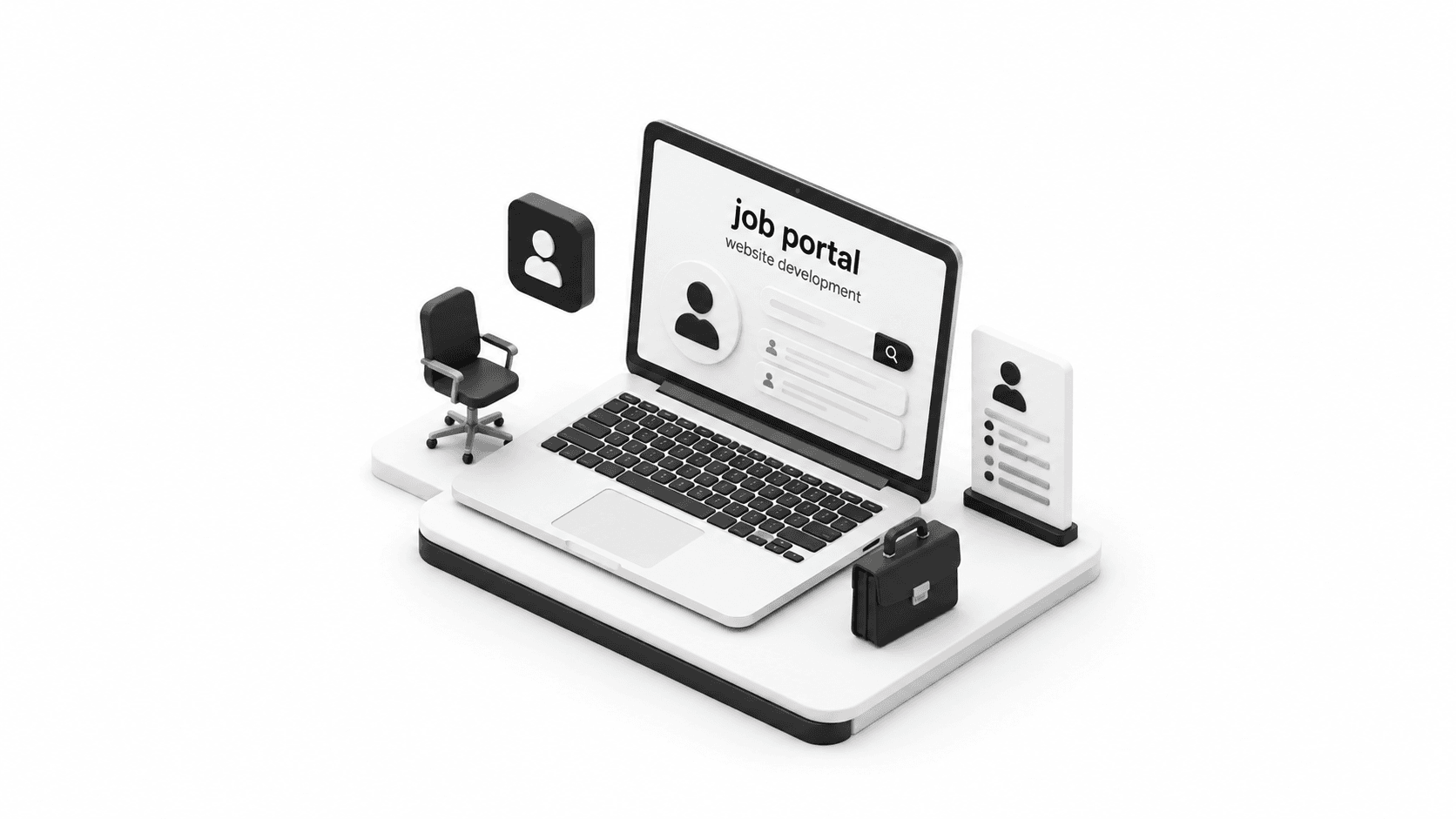
7 min readJob Portal Website Development The recruitment industry has changed dramatically over the past few years, and businesses that want to stay relevant are turning to digital solutions to connect job seekers with employers faster and more efficiently. This is exactly where job portal website development comes into the picture. Whether it’s a startup planning to launch a niche hiring platform or an established staffing agency looking to modernize its operations, a well-built job portal can become the backbone of a thriving recruitment business.
In this article, readers will find a complete breakdown of what job portal website development involves, why it matters, what features make a platform successful, and how choosing the right development partner can make all the difference.
At its core, job portal website development refers to the process of designing, building, and deploying a digital platform where employers can post job openings and candidates can search, apply, and track their applications. It’s far more than just a website with a list of jobs — a truly effective portal acts as a bridge between talent and opportunity, powered by smart technology, intuitive design, and reliable backend systems.
Businesses across industries — from IT staffing firms to healthcare recruiters, from local hiring agencies to global marketplaces — rely on custom-built portals to streamline their hiring process. A professionally developed job portal doesn’t just look good; it functions seamlessly, scales with growing traffic, and adapts to future hiring trends.
There are several reasons why companies are choosing to build their own job portals instead of depending solely on third-party platforms:
These advantages explain why so many entrepreneurs and organizations are actively searching for reliable partners who specialize in job portal website development.
A successful job portal isn’t just about posting and applying for jobs. It needs a well-thought-out structure that keeps both employers and job seekers engaged. Some of the essential features include:
Both employers and candidates should be able to create detailed profiles quickly, without unnecessary friction. Resume uploads, company details, and verification steps should feel smooth and simple.
Job seekers want to find relevant opportunities fast. Filters based on location, industry, experience level, salary range, and job type make searching efficient and enjoyable.
Employers need a dedicated space to post jobs, manage applications, shortlist candidates, and communicate — all from a single, organized dashboard.
Many modern portals include built-in resume builders and automated resume parsing, which saves time for both recruiters and applicants.
Automated email or SMS alerts keep candidates informed about new openings that match their preferences, increasing engagement and return visits.
For portals offering premium listings or subscription plans, secure and reliable payment gateways are non-negotiable.
A powerful admin panel allows the platform owner to monitor traffic, manage users, track revenue, and generate reports — all essential for long-term growth.
With most users browsing on mobile devices, a responsive design ensures the platform works flawlessly across smartphones, tablets, and desktops.
Understanding how a job portal is actually built can help business owners set realistic expectations. Generally, the process includes:
Skipping any of these steps can lead to a shaky, unreliable platform — which is why working with an experienced development team matters so much.
The technology used behind the scenes plays a big role in how well a job portal performs. Popular choices often include modern frameworks for the frontend, robust backend languages for handling data securely, and scalable databases to manage growing volumes of job listings and applications. A good development partner will recommend the right stack based on the specific goals of the business rather than applying a one-size-fits-all approach.
Many business owners exploring job portal website development are also interested in how such a platform can become profitable. Common revenue models include:
With the right monetization strategy baked into the platform from day one, a job portal can turn into a sustainable, long-term business asset.
While the idea of building a job portal sounds exciting, many businesses run into avoidable pitfalls:
Avoiding these mistakes early on can save significant time, money, and frustration down the road.
Building a job portal isn’t a simple weekend project — it requires a combination of design thinking, technical expertise, and industry understanding. A skilled development team doesn’t just write code; it brings insights from previous projects, anticipates challenges before they happen, and ensures the final product is secure, scalable, and ready for real-world traffic.
This is where working with a dedicated development partner becomes valuable. Instead of piecing together a platform through trial and error, businesses can rely on experienced professionals who understand exactly what it takes to turn an idea into a fully functional, revenue-generating job portal.
Job portal website development is no longer just a technical project — it’s a strategic move for businesses looking to tap into the growing digital recruitment space. From candidate-friendly interfaces to powerful employer dashboards, every element plays a role in creating a platform that stands out in a competitive market.
For businesses ready to take the next step, having the right development team on board can make the difference between an average platform and a truly successful one. Those interested in discussing their job portal idea, getting expert guidance, or requesting a free consultation are welcome to reach out directly.
Contact Us Today to start building a job portal that works as hard as the business behind it.


Comments
WordPress Care: Reliable Maintenance and Support for Websites That Can't Afford to Go Down - Basefield Studio
July 15, 2026[…] care is the ongoing maintenance, monitoring, and support a WordPress website needs after it launches. It covers everything from updating the core software, themes, and […]