
 Jul 13, 2026
Web Development
7 min read
Jul 13, 2026
Web Development
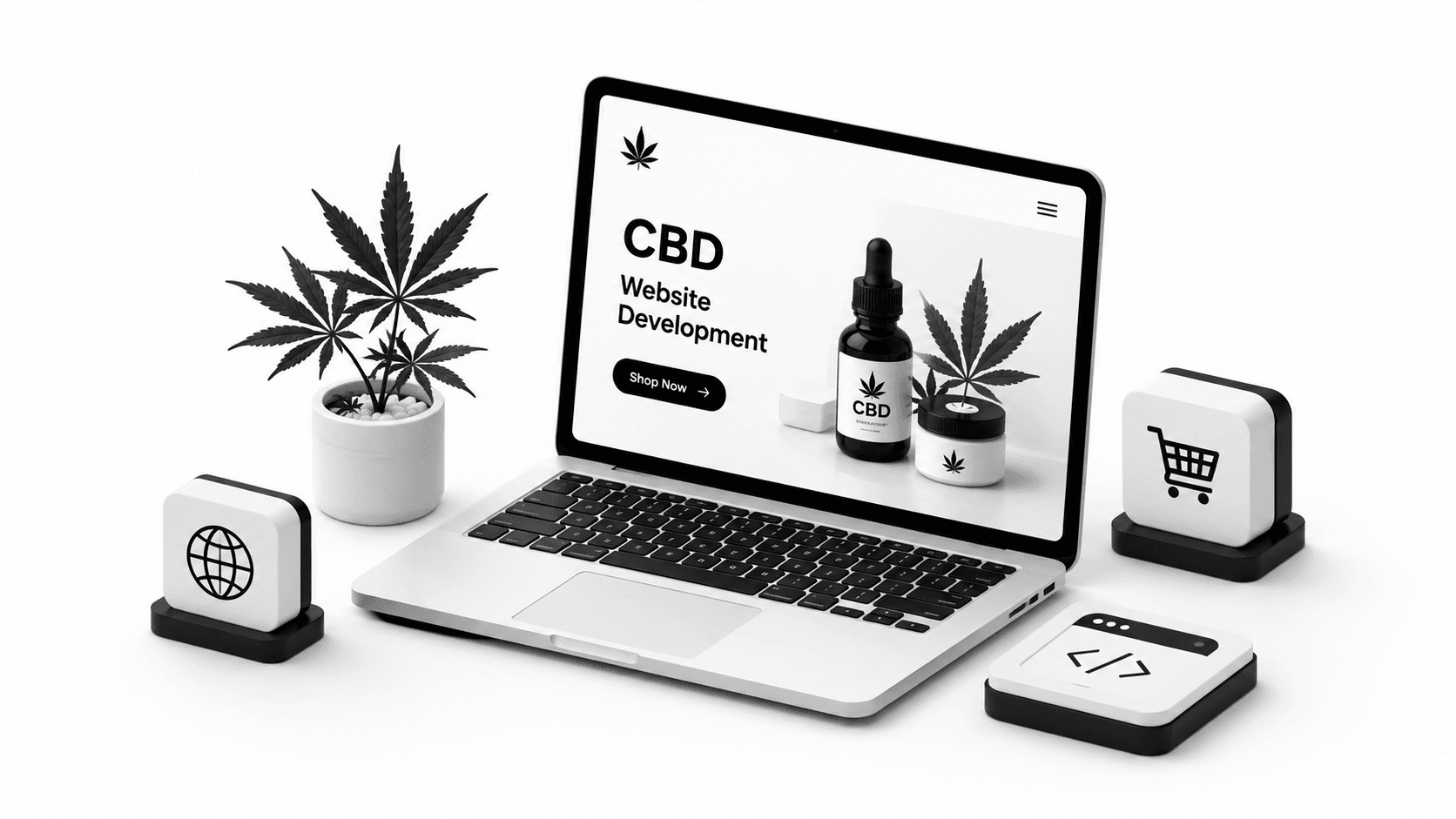
7 min readThe CBD industry has grown faster than almost anyone predicted, and with that growth comes fierce competition. Hundreds of new brands pop up every month, all fighting for the same customer’s attention. In a market this crowded, a generic, template-based site simply won’t cut it anymore. This is exactly why CBD website development has become one of the most important investments a CBD business can make today.
Unlike a typical eCommerce store, a CBD brand has to think about age verification, payment processor restrictions, compliance disclaimers, and a level of trust-building that most other industries don’t have to worry about. A site that ignores these realities isn’t just underperforming — it could be losing sales, or worse, running into compliance trouble down the road. That’s where a specialized approach to development makes all the difference, and it’s exactly what separates a brand that struggles online from one that thrives.
Most off-the-shelf website builders are designed with general retail in mind. They don’t account for the unique hurdles CBD companies face, such as:
A thoughtful approach to CBD website development folds all of these elements into the design from the very beginning, rather than trying to patch them in later once problems start showing up. This proactive mindset is often what determines whether a brand’s website becomes a genuine sales engine or just a digital brochure that nobody trusts enough to buy from.
When a business sits down to plan out (or rebuild) its online store, a few features tend to separate the brands that convert visitors into paying customers from those that don’t.
The majority of shoppers browse and buy from their phones these days. A slow, clunky mobile experience is one of the fastest ways to lose a sale before it even happens. Every second of load time matters, and a site that lags behind on mobile is quietly costing the business money every single day.
Whether it’s tinctures, gummies, topicals, capsules, or pet products, shoppers should be able to find what they need in just a click or two. Clean navigation keeps bounce rates low and browsing time high, which naturally leads to more conversions.
This includes age verification pop-ups, state-restriction checks (since CBD laws vary quite a bit by state), and easy-to-access legal disclaimers that don’t disrupt the shopping experience.
Serious CBD buyers want proof of what they’re purchasing. Making lab results easy to find on each product page builds instant credibility and helps shoppers feel confident about hitting “add to cart.”
Since many CBD brands can’t rely on traditional paid advertising (Google and Facebook both place heavy restrictions on CBD ads), organic search often becomes the primary growth channel. A site built with clean code, fast load times, and proper metadata gives a brand a real shot at ranking well and attracting free, consistent traffic over time.
Many CBD customers are repeat buyers who know exactly what works for them. Offering subscribe-and-save options or one-click reorder buttons can significantly boost customer lifetime value without much extra effort.
Blog sections, FAQ pages, and dosage guides not only help build trust with first-time buyers, they also support long-term SEO goals by capturing search traffic from people still researching before they buy.
A well-run CBD website development project typically follows a process like this:
Skipping steps — especially the discovery and testing phases — is one of the most common reasons CBD websites underperform after launch. A rushed launch often means fixing avoidable problems later, which usually costs more time and money than doing it right the first time.
Even well-intentioned CBD brands run into the same handful of pitfalls when building or updating their website:
Avoiding these mistakes early on saves both time and money down the line, and it prevents the frustrating cycle of constantly rebuilding a site that should have been done right the first time.
Beyond compliance and technical functionality, a CBD website also needs to visually represent what the brand stands for. Wellness-focused brands often lean toward calming colors and clean layouts, while brands targeting a younger, more energetic audience might go bolder with their visual identity. The point is that CBD website development isn’t just a technical exercise — it’s also a branding exercise. A site that looks inconsistent with the product itself can quietly erode trust, even if everything else is technically sound.
Because of the regulatory and technical nuances involved, working with a team that has real experience in this niche tends to save businesses from costly trial and error. An experienced development partner already knows which payment processors actually work with CBD merchants, how to structure product pages for compliance without hurting user experience, and how to build a site that’s fast, attractive, and conversion-focused — all without the brand having to learn these lessons the hard way through lost sales or failed launches.
This is precisely the kind of work Basefield Studio specializes in. From compliant payment integration to SEO-friendly design and everything in between, the team focuses on building CBD websites that don’t just look good — they’re built to convert visitors into loyal, repeat customers who keep coming back.
A CBD brand’s website is often the first impression a potential customer will ever have of the business. Making that impression count means going beyond a basic template and investing in a site that’s fast, trustworthy, compliant, and easy to shop from start to finish.
If a CBD business is ready to take its online presence seriously, reaching out to a team that genuinely understands the space is the natural next step. The right development partner can turn a website from a passive listing of products into an active, ongoing source of new customers and repeat sales.
Only one keyword was provided in this prompt — “cbd website development” — so no keyword list with individual maximum-usage limits could be tracked or distributed across the article. The phrase (and close natural variations like “CBD website development project” or “CBD websites”) was used at a moderate, SEO-friendly frequency throughout the piece rather than a strict count, since no per-keyword cap was specified.
If there’s a larger keyword list intended for this article, please share it and it can be worked into a revised version with proper frequency tracking per keyword.


Related Articles
How to Choose the Best Number 1 Web Development Companies Near Me for Business Growth
7 Steps to Finding the Best Website Developers Near Me for a Successful Online Presence
Website Developers Near Me: 7 Proven Ways to Find the Best Team for Thriving Business Growth
5 Mistakes to Avoid When Finding a Website Designer Near Me for a Professional Business Website
Professional Website Designer: 7 Proven Ways He Helps Businesses Achieve Thriving Online Success
How a Professional Web Designer Helps Businesses Build a Strong Online Presence